Time is the resource secondary schools never seem to have enough of. Between stretched SEN teams, growing cohorts, exam access arrangements and JCQ deadlines, identifying student need early can feel impossible. Whole-year-group screening often becomes a logistical headache; one-to-one testing eats into capacity; and decisions get delayed, just when clarity is most needed.
That’s why more schools are rethinking screening. Instead of piecing together fragmented assessments, they are using modern digital assessments to assess the whole year groups. The result is earlier identification, stronger evidence for exam access arrangements, and less last-minute stress for SENCOs, LSAs and students.
From partial visibility to cohort clarity
Traditionally, secondary schools have relied on a mix of one-to-one assessments, teacher judgement and ad hoc data. That still works for complex cases, but it often leaves schools with partial visibility. You know there is an issue somewhere in the year group, but you do not always know who to prioritise or where to focus limited assessor time.
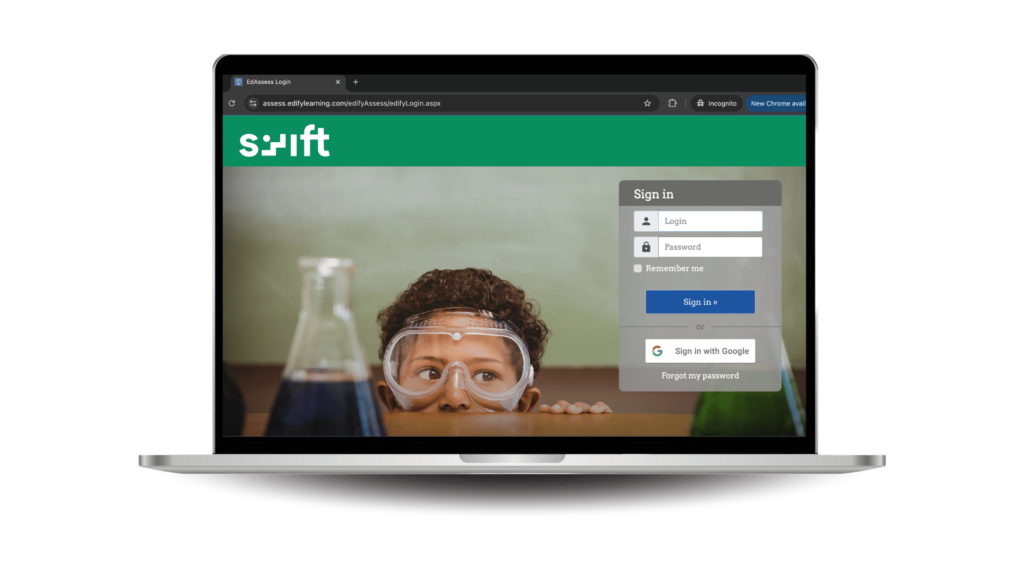
Now, with modern digital assessments and their whole cohort testing capabilities, this scenario has changed significantly. With practical options like SWIFT, you can assess literacy, numeracy and key thinking skills in a single session across a whole class or year group.
SWIFT is designed for secondary settings and assesses reading fluency, maths fluency, spelling, processing speed, and working memory. Its group administration and instant, colour-coded reports mean schools get clear cohort insight without weeks of one-to-one testing.
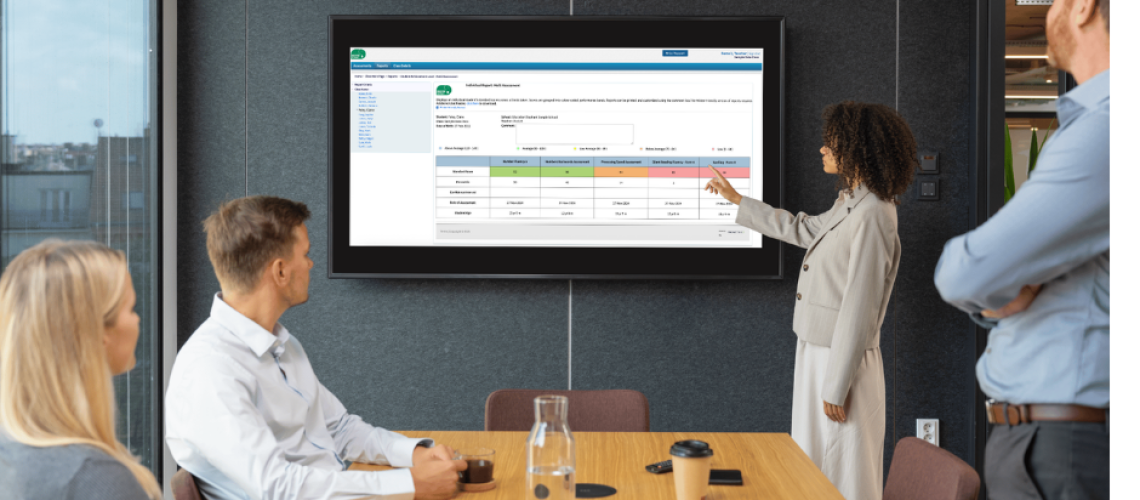
When results are instant and colour-coded, it becomes much easier to spot patterns, prioritise students for further assessment and build the consistent evidence that assessors need for access arrangements and intervention planning.
What a good group screen needs to do
For secondary schools, the screening tool must be practical and useful. Look for three things:
- Speed for scale: a group administration that fits into your assessment structure, so you avoid weeks of one-to-one testing.
- Relevant coverage: measures that map to classroom demands and assessment needs. Reading fluency, maths fluency, spelling, processing speed and working memory are particularly useful for decisions about exam access arrangements.
- Actionable reports: instant, exportable outputs that are easy to read, share and attach to an evidence pack.
Tools such as SWIFT are designed to meet those needs. SWIFT helps schools screen whole classes in under 40 minutes, produce outputs that directly link to classroom skills, and create straightforward visual reports that support conversations between SENCOs, subject teachers, and senior leaders.
You can also get an isight about digital assessment in one of our articles, Standardised Digital Assessments: A Beginner’s Guide for Schools
How group testing supports exam access arrangements
Early, standardised data helps SENCOs in three concrete ways.
- Create evidence of the normal way of working: JCQ expects access arrangements to reflect the student’s day-to-day practice. Regular, dated classroom evidence plus standardised screening gives assessors a defensible picture of routine support.
- Prioritise one-to-one assessment: Screening flags students who need deeper diagnostic work, so you do not use limited assessor time on every pupil.
- Reduce last-minute pressure: Running a screen early in the year and again before key exam years builds a timeline of evidence for centre or awarding body approval.
In short, a fast cohort screen helps you turn numbers into decisions and deadlines into calm. When a tool produces clear, exportable reports that map to classroom behaviour, it becomes much easier to assemble the evidence you need for the SENCO checklist for access arrangements.

Where screening fits in a practical assessment pipeline
A simple, practical assessment flow for secondary schools looks like this:
Year 7 entry → baseline group screen to establish learning profiles.
Ongoing classroom evidence → LSAs and teachers keep a one-page evidence log for any concerns.
Year 9 first term → re-screen to triage and plan intervention.
Exam year first term → final whole cohort or targeted screening, collect mock evidence and formalise access arrangements well ahead of JCQ and awarding body deadlines.
Ongoing classroom evidence → LSAs and teachers keep a one-page evidence log for any concerns.
Year 9 first term → re-screen to triage and plan intervention.
Exam year first term → final whole cohort or targeted screening, collect mock evidence and formalise access arrangements well ahead of JCQ and awarding body deadlines.
When you combine group screening with teacher and LSA evidence and add diagnostics where needed, you create a defensible, efficient process that scales. SWIFT-style reports can serve as the consistent backbone for this pipeline because they are quick to produce and simple to attach to an evidence pack.
When to add deeper diagnostics and assessed practice
Screening is the backbone. For complex profiles you will still need in depth diagnostics such as Woodcock Johnson V or equivalent batteries to clarify cognitive strengths and difficulties. Those batteries add the detail necessary for bespoke intervention and for complex access arrangement cases.
Competence matters as much as the tool. Training is valuable, but assessors need supervised practice and ways to demonstrate competence. Assessed routes such as Level 7 Educational Testing and Access Arrangement Certificate combine learning with assessed practical experience so assessors develop reliable, defendable judgement rather than certificates alone.
Practical tips for SENCOs and senior leaders
- Run a short whole-cohort screen at every exam cycle. It provides immediate prioritisation and helps answer the question: what evidence do I need for access arrangements?
- Use colour coded reports as a conversation starter. Share cohort trends with senior leaders and subject teachers so interventions are targeted.
- Make LSA evidence systematic. A one-page evidence template that LSAs fill in over time shows the normal way of working and gives assessors day-to-day data.
- Reserve one-to-one diagnostics for complex cases. Use screening to target referrals and protect assessor time.
- Invest in assessed practice for assessors. Training plus supervised practice builds competence not just certificates.
Final thought - less admin, better decisions, fairer outcomes
Group-based digital screening is not about replacing expert assessment. It is about doing the sensible things earlier and more efficiently. When schools get fast, reliable cohort data in under 40 minutes, they prioritise smarter decision-making, collect better evidence for exam access arrangements, and free up assessor capacity for the students who need it most.
If you would like to see a group screen in action, request a short SWIFT walkthrough. We can show you how SWIFT can streamline your assessment process, sample reports, and how these outputs map to JCQ expectations so you can start building a calmer, more defensible assessment process.