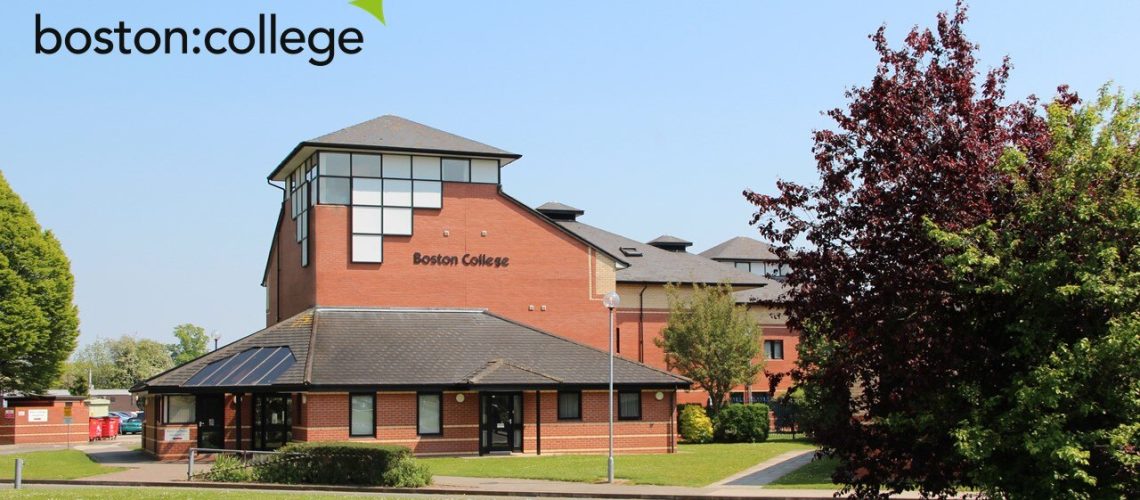
Across schools and colleges, one challenge keeps coming up again and again: demand for SEN assessment is rising, but time, staffing, and capacity are not. Boston College and their lead assessor Sakina Hossani, was facing exactly this situation.
Instead of hiring additional staff or continuing with increasingly stretched processes, they took a different approach. One that allowed them to scale assessment without increasing headcount.
The Challenge: More Students, Same Capacity
At Boston College, the number of students requiring assessment was growing year on year. This created a familiar pressure:
- Increasing numbers of students needing assessment
- Rising demand for access arrangements
- Limited staff capacity to meet that demand
“It was the absolute sheer numbers of students that we have to assess which is increasing every year.”
The traditional model, paper-based and one-to-one assessment, was becoming harder to sustain. It required significant time, manual effort, and continuous attention. At some point, it became clear that something had to change.
The Decision: Hire or Rethink the Process
The college faced a clear choice. They could recruit another assessor, which would involve time, cost, and ongoing resource commitment. Or they could find a more efficient and scalable way to assess students.
“Either it was getting a new co-assessor… or going for online assessment.”
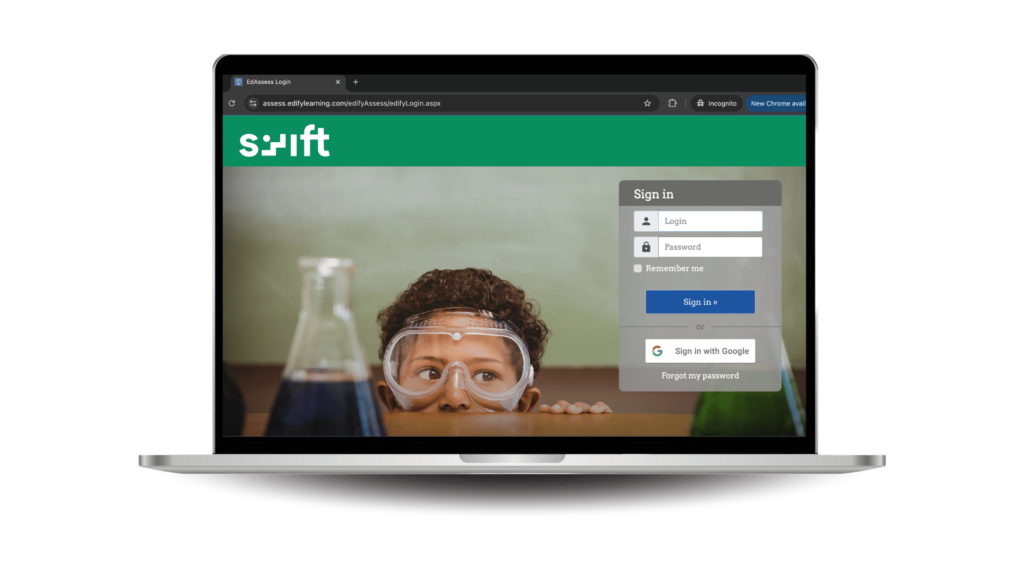
With support from leadership, Sakina chose to rethink the process and introduced SWIFT, a digital assessment that can assess an entire cohort in under 40 minutes. Unlike traditional literacy-heavy assessments, SWIFT provides a more complete picture of students by assessing literacy, numeracy and key thinking skills such as processing speed and working memory.
The Impact: Faster, Simpler, More Scalable
Rather than simply improving the existing system, SWIFT changed how assessment was carried out. Instead of relying on slow, individual testing, Boston College moved to a group-based digital model.
The difference was immediate and measurable. SWIFT allowed them to assess more students in less time, without increasing workload pressure. But speed was only part of the story. The entire process became more efficient:
- Manual scoring was eliminated
- Reporting became faster and clearer
- Completing Form 8 evidence became significantly easier
- Assessment no longer took up entire days
“Since introducing SWIFT, my day-to-day work has completely changed. I can now assess 15–20 students in a single morning, without needing to spend all day, every day on assessments. There’s no manual scoring, and writing part 2 of the Form 8 has become much easier. Overall, it’s made the whole process far more efficient and manageable”.
From Concern to Confidence
Introducing new technology can often feel like a risk, especially in busy school environments, and there were initial concerns about how complex the system might be. In Sakina’s own words:
“I was expecting it to be an IT nightmare, but it’s actually very straightforward. I was quite nervous going into it, but the onboarding support was excellent, and I was guided through everything step by step, which made the whole process feel easy and manageable”.
Not Without Challenges
While the overall impact has been positive, there are still some limitations to consider. Some students may find certain tasks more challenging, and in Further Education settings (Age 18+), paper-based assessments are still required for older learners.
However, this is already being addressed.
SWIFT is currently evolving to better support further education settings. The age range is being extended to 26, with norming underway. This will allow colleges like Boston to reduce their reliance on paper-based assessments even further and move closer to a fully digital assessment model.
The Outcome: A Scalable Assessment Model
By introducing SWIFT, Boston College has shifted from a system under pressure to one that can scale with demand. They have been able to:
- Increase assessment capacity without hiring additional staff
- Reduce administrative workload and manual processes
- Streamline evidence gathering for access arrangements
- Improve efficiency while maintaining high-quality decision making
A Simple Recommendation
When asked what she would say to others considering SWIFT, Sakina’s response was clear:
“Go for it. It will make life as an assessor so much easier.”
Many schools and colleges assume that rising demand means increasing staff. Boston College shows that there is another way. The real opportunity is not just to keep up with demand, but to rethink how assessment works altogether.